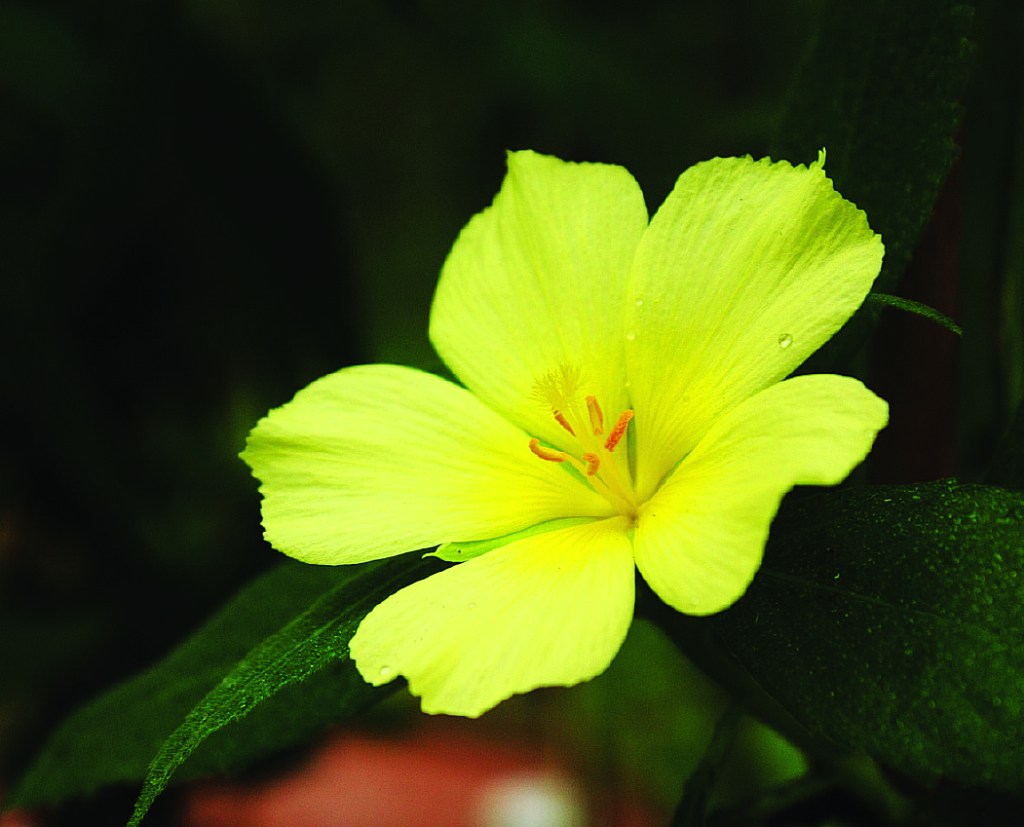
Welcome to my webpage
I am passionate about understanding and communicating the complex interactions between plants, insects, environments, and technology. Over the years, my work has taken me across research, international collaborations, scientific communication, sustainability, and innovation-driven projects.

This page is a space where I share selected projects, ideas, visual work, and updates related to science, nature, technology, and interdisciplinary collaboration. I am particularly interested in how research can connect with real-world challenges through creativity, communication, and applied innovation.

Beyond scientific research, I enjoy visual storytelling, digital content creation, and exploring how emerging technologies can help us better understand and interact with the natural world.
Spring 2025
Everybody and everywhere, people is talking about how artificial intelligence, AI, is changing the way people work and think across industry and academia (see this Forbes article about the 2026 World Economic Forum in Davos, Switzerland).
The potential of these technologies (i.e, large language models, LLMs) is really incredible. At first, people thought these were “just” word predictors who would reply to a prompt by using sophisticated calculations to predict an answer based on statistics, logic, an their learning from being trained with the immense internet data. However, these models can evolve in their own, and are now capable of reasoning. That means, they are no longer simply putting words in a logic, pre-trained way. They are able to compile, analyse and contrast information from various sources to produce a novel answer! Used in the right way, this has a tremendous potential for innovation and to accelerate learning.
It is impossible to ignore whats going on with AI. That is why, I have spent the last months in immersing myself into properly learning how to best use AI and the current and future market options. I started by taking courses from Cursera such as “AI for Everyone”, and recently I finished the AI for Business Transformation: Generative AI, Agentic AI and Beyond certificate of the Imperial College in London.
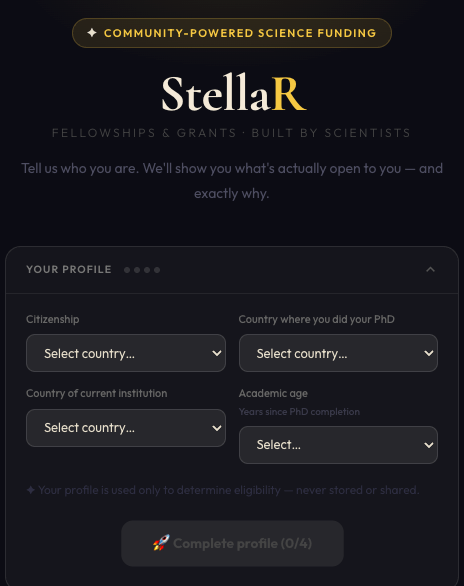
I will be soon releasing an AI based tool that I have been working on, which is meant to advice graduate students and early career scientist to find the best funding opportunities in the form of fellowships or grants globally.
Stay tuned!
Summer 2025
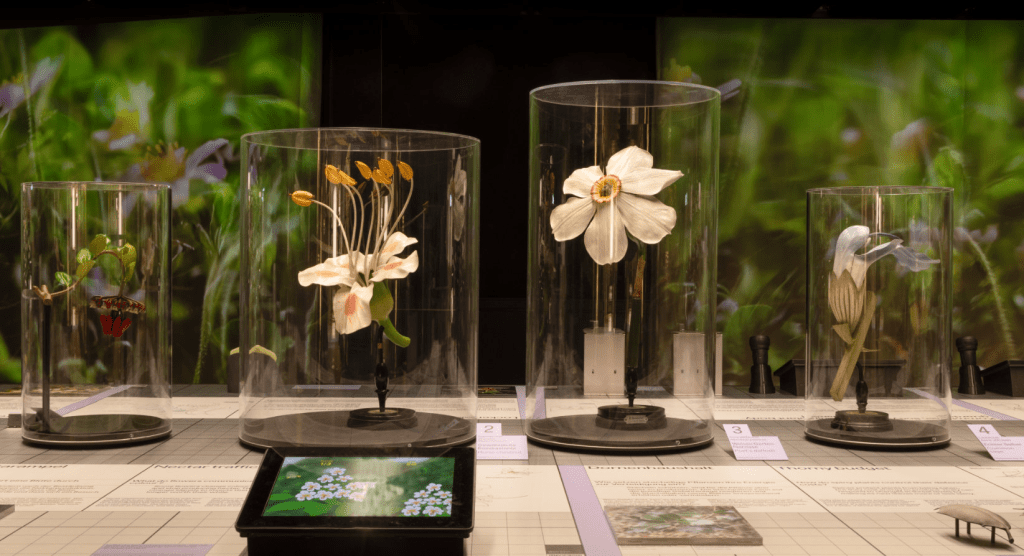
The permanent exhibition “Plants Talk” was finally opened to the public as part of the Natural History Museum of University of Zurich! Link here
As the museum director pointed out during the inauguration, plants usually are not shown in natural history museums around the world, and this exhibition aimed at filling this gap, by showing to the public how fascinating plants are!
I am grateful to have been invited to be part of this exhibition and contribute to it. You’ll see my face if you go there!
Spring 2025
My recent New Phytologist paper was featured in a beautiful newspaper article in El País, the Spanish journal of record! It is very gratifying when journalists pick up our scientific work and present it in a unique and broad context that reaches non-specialist audiences.
In this journalistic piece, Miguel Ángel Criado discusses our findings within the broader context of plant honesty and cheating toward their pollinators. He also includes the perspectives of other experts in the field, such as Prof. José María Gómez from the Estación Experimental de Zonas Áridas (EEZA-CSIC), Spain. Prof. Gómez notes that most research on honest signals has focused on animals (such as the signals males use to attract females), while much less work has been done on plants.
On the other hand, Prof. Florian Schiestl from the University of Zurich in Switzerland observes that floral honesty may be favored when flowers require multiple visits to achieve optimal fitness. In contrast, floral dishonesty may evolve when few visits suffice due to efficient pollination, or when resources for seed production are limited.
I truly appreciate such valuable insights and hope this article sparks curiosity in the fascinating world of plant–pollinator and plant–insect interactions!
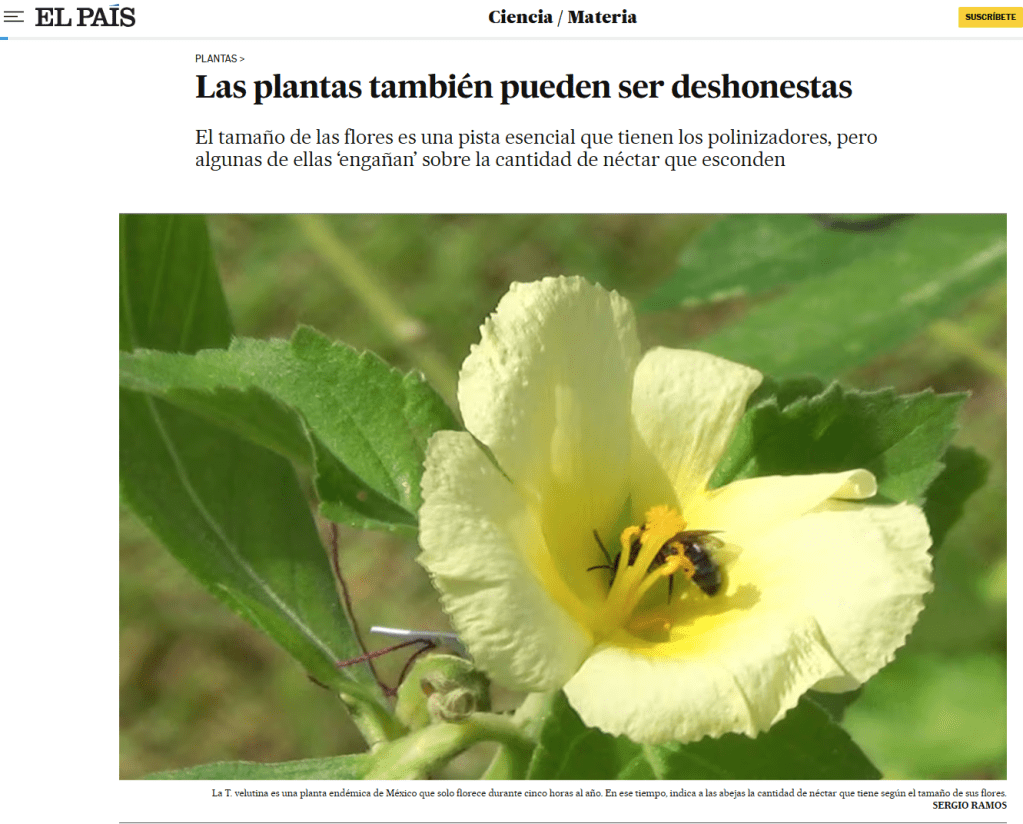
here is the link: https://elpais.com/ciencia/2025-04-23/las-plantas-tambien-pueden-ser-deshonestas.html
New paper published at the New Phytologist!
Are plants honest to their pollinators about how much nectar they can find in a flower? Is such floral honesty heritable? Do pollinators prefer honest plants?
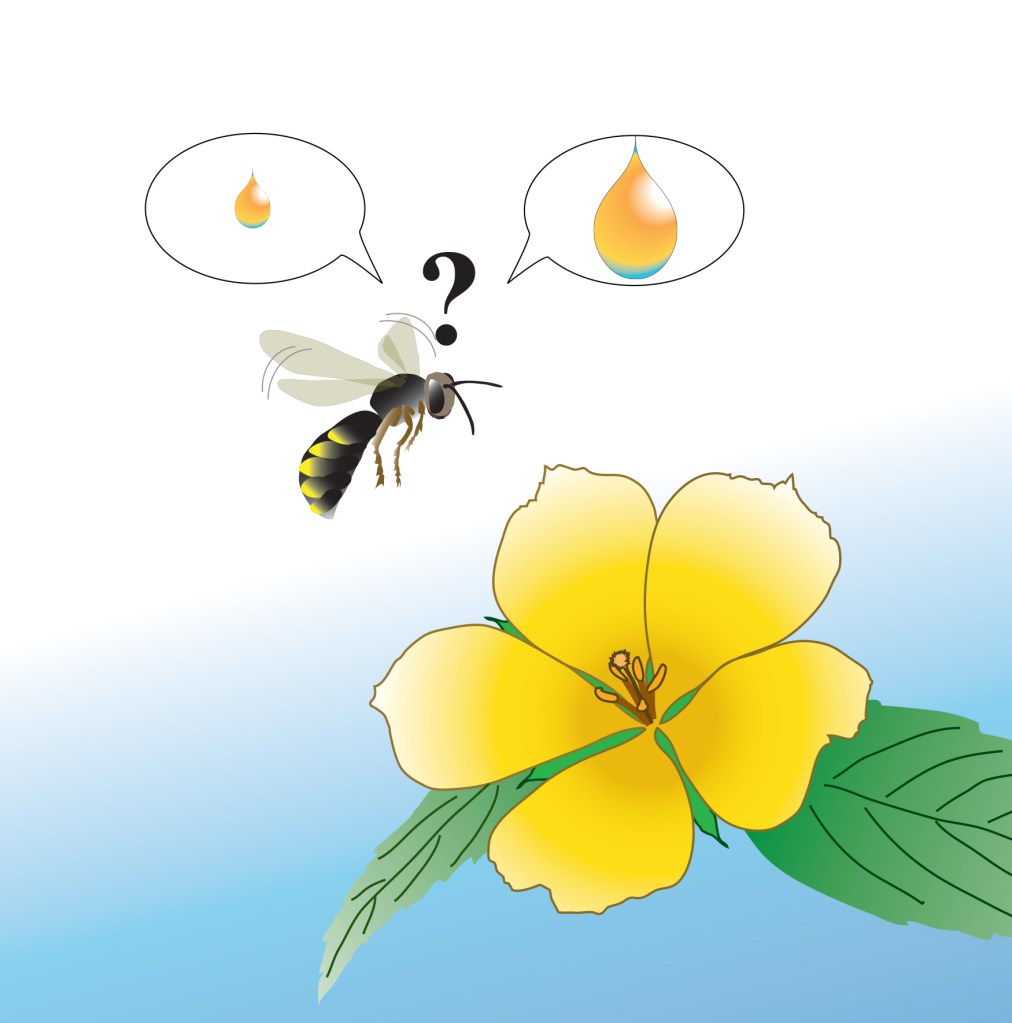
Together with my collaborators Karina Boege, César Dominguez, and Juan Fornoni from the Ecology Institute at UNAM, México, we show that floral honesty -given by the genetic correlation of flower size and sugar content in the plant Turnera velutina (Passifloraceae)- has a genetic basis. This means that floral honesty can be inherited, and because pollinators prefer honest plants, honesty can evolve via pollinator-mediated selection.
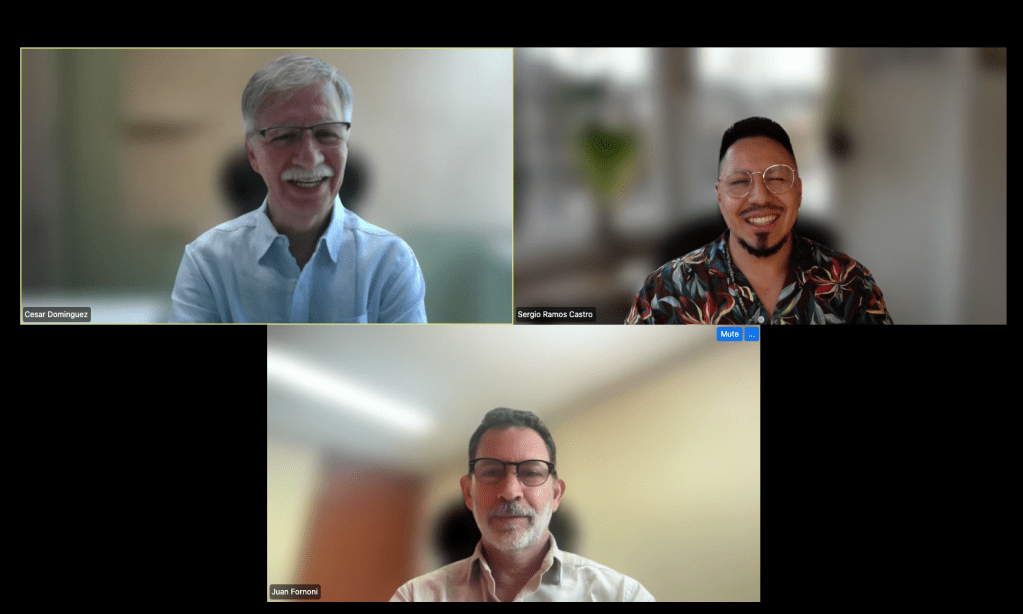
In the picture, from left to right, César Dominguez, Sergio Ramos and Juan Fornoni happily celebrating the publication. Unfortunately, Karina Boege could not join.
Check out the full paper here: https://nph.onlinelibrary.wiley.com/doi/10.1111/nph.70043